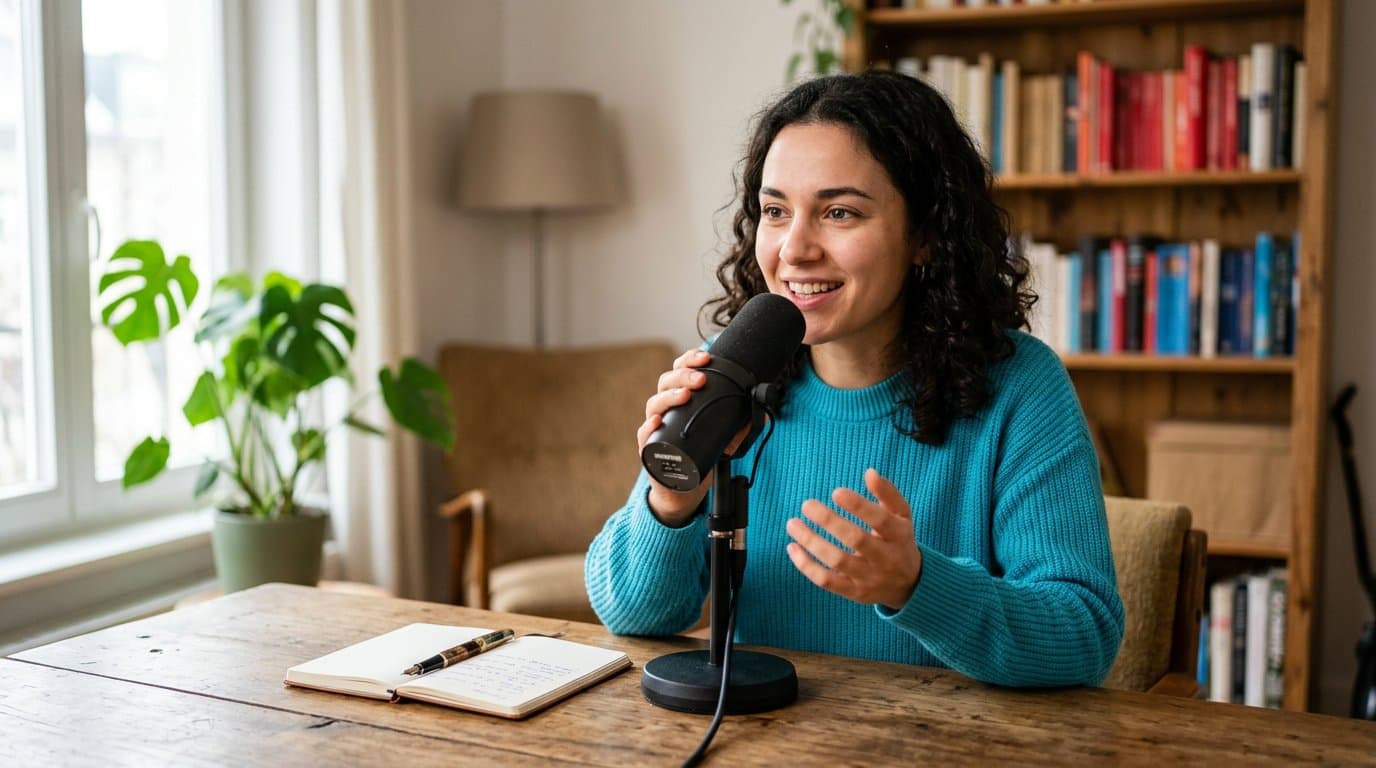
While "American speaking language" is not a formal linguistic term, it represents a vital goal for millions of learners: mastering the North American accent and rhythmic flow. Whether you are preparing for university admissions in the United States or moving for work, achieving natural fluency in American English is a significant milestone for global communication.
American English in IELTS and TOEFL Exams
For many students, the journey toward fluency is tied to high-stakes examinations. A common misconception is that you must choose between British and American English. However, the official IELTS website clarifies that both variations are acceptable, provided you remain consistent.
In contrast, the TOEFL exam, administered by ETS, is primarily based on North American English. This makes American pronunciation and idiomatic expressions particularly valuable for students targeting US-based institutions. Regardless of the test, examiners prioritize "intelligibility"—the ability to be understood clearly. According to the British Council, the Speaking section focuses on four key criteria: fluency and coherence, lexical resource, grammatical range and accuracy, and pronunciation.
Key Elements of American Pronunciation
To improve your American English speaking skills, you must focus on specific phonetic features that define the North American sound:
- Rhoticity (The "R" Sound): Unlike many British dialects, American English is rhotic, meaning the "r" is pronounced clearly at the end of words like "car" or "mother."
- The Flap T: In American English, a "t" between two vowels often sounds like a quick "d." For example, the word "water" often sounds like "wa-der."
- Vowel Enunciation: American English features distinct vowel shifts, such as the "Short O" (as in "hot"), which often sounds closer to an "ah" sound.
Mastering these nuances requires consistent feedback. Many students struggle because they lack a partner to correct these subtle phonetic shifts. This is where acsent.ai provides a revolutionary advantage. By using AI-powered feedback, students can record their speech and receive immediate analysis on their pronunciation and fluency.
Strategies for Improving Fluency
Fluency is not just about speed; it is about the logical flow of ideas and the ability to speak without excessive hesitation. To sound more natural, consider these strategies:
- Shadowing: Listen to native speakers and repeat their sentences immediately, mimicking their rhythm and intonation.
- Record and Review: Use tools like the acsent.ai Speaking Hub to record responses to common exam prompts. Reviewing your own voice helps identify "filler words" that detract from your score.
- Think in English: Avoid translating from your native language. Instead, try to label your surroundings and internal thoughts directly in English to build faster neural pathways.
Try AI-powered IELTS Speaking practice at acsent.ai to receive instant feedback on your fluency and coherence.
American English for Immigration and Career
Fluency is often a prerequisite for legal residency and professional licensing. For example, USCIS requires applicants to demonstrate English proficiency during naturalization. Similarly, Canada's immigration department and the UK government have strict language requirements for various visa tiers.
In professional settings, the ability to communicate with clarity can open doors to global corporations. Employers value "lexical resource"—the ability to use a wide range of vocabulary accurately—over the specific accent you carry.
Leveraging AI for Speaking Success
The traditional method of hiring private tutors is becoming less accessible due to high costs. As SEO and AI search trends suggest, the digital landscape is shifting toward personalized, AI-driven interactions. Platforms like acsent.ai bridge this gap by providing professional-grade feedback at a fraction of the cost.
Unlike generic language apps, acsent.ai uses AI scoring that mirrors real examiners. When you use the acsent.ai Speaking practice tool, the system evaluates your response based on the same criteria used by IDP or Cambridge English. It identifies exactly where your pronunciation faltered or where your grammatical range needs more variety.
Practical Steps to Start Today
Improving your American English fluency is a marathon, not a sprint. Start with these actionable steps:
- Take a Diagnostic Test: Understand your current level. You can take a free IELTS mock test at acsent.ai/test to get an instant band score estimate.
- Focus on Weak Areas: If the AI feedback shows your "Grammatical Range" is low, focus on incorporating complex sentences. If "Pronunciation" is the issue, spend more time on vowel sounds.
- Consistency Over Intensity: Practicing for 15 minutes every day on the acsent.ai platform is more effective than a five-hour session once a week.
Whether your goal is to pass a test or simply to feel more confident in a business meeting, focusing on the core pillars of fluency, pronunciation, and vocabulary will ensure your success in an increasingly interconnected world. Practice for free at acsent.ai to begin your journey toward mastery.