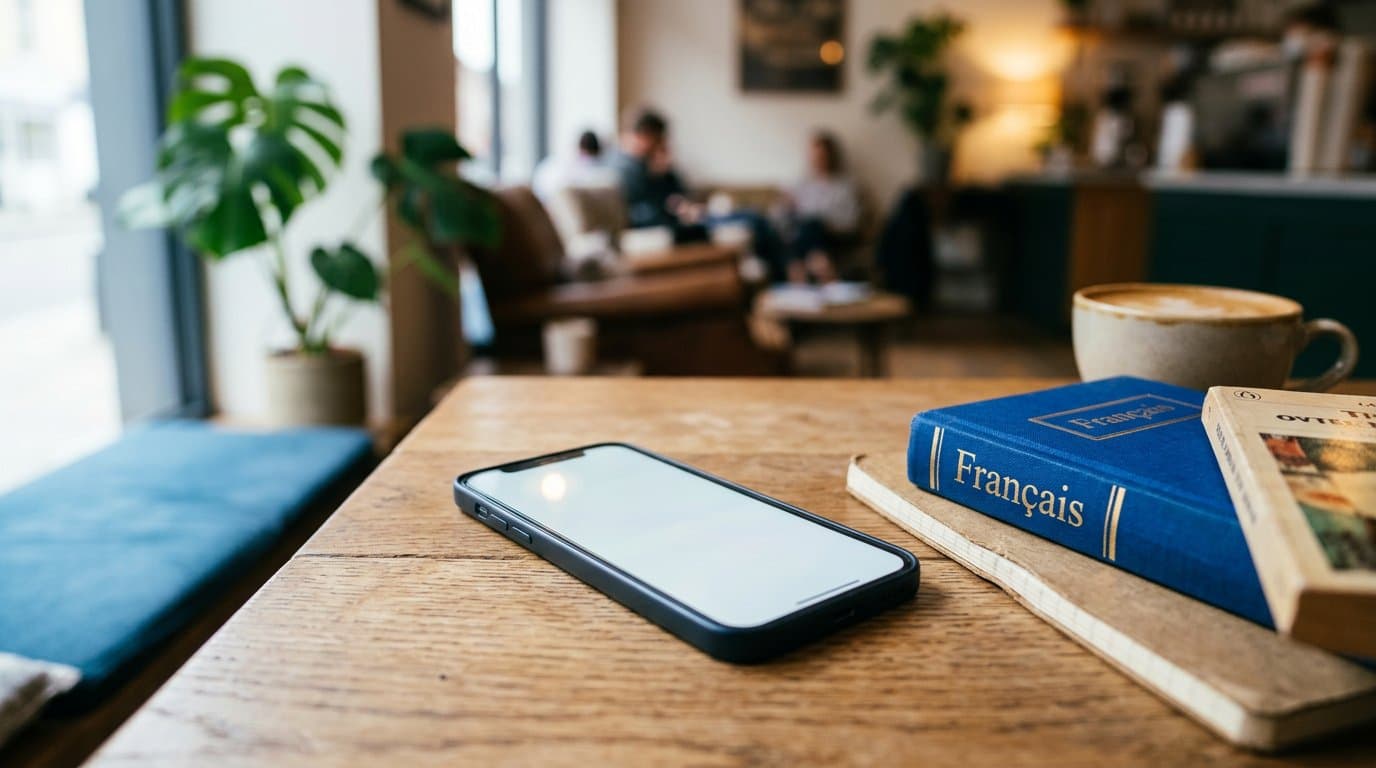
In the modern digital landscape, the line between a simple utility and a comprehensive learning ecosystem has blurred. A modern English to French translator app is no longer just a digital dictionary; it has evolved into a sophisticated AI tutor that helps students bridge the gap between their native tongue and global proficiency. Whether you are a student preparing for university admissions or a professional navigating international immigration, these tools serve as a vital bridge for communication and skill development.
The Evolution of Translation Technology
The transition from phrase-based systems to Neural Machine Translation (NMT) has revolutionized how we interact with languages. Leading platforms now utilize transformer-based architectures to provide translations that respect context, tone, and idiomatic expressions. According to research on AI trends for 2026, the integration of deep learning allows apps to move beyond literal word-for-word exchanges, offering natural-sounding French that mirrors human speech.
For students, this means that an English to French translator app can act as a real-time feedback loop. When you input a complex sentence, the AI demonstrates how grammatical structures like verb conjugation and gender agreement function in a live environment. However, while these apps are excellent for quick comprehension, high-stakes environments like the IELTS or TOEFL require a more structured approach to language mastery.
Why Translation is Only the First Step
While a french translator app can help you understand a text, it cannot replace the rigorous preparation needed for official English proficiency exams. Organizations like the British Council and IDP emphasize that true fluency involves "Lexical Resource" and "Grammatical Range"—skills that require active production, not just passive translation.
This is where acsent.ai enters the picture. While a translator helps you understand what a word means, acsent.ai teaches you how to use that word to achieve a high band score. If you are using a translator to help draft your essays, you can take those skills to the next level by getting instant AI feedback on your IELTS Writing at acsent.ai.
Features of a Top-Tier Translator App
To truly serve as an AI tutor, an English-French tool must offer more than text boxes. The best applications in 2026 include:
- Speech to Voice Translator: This allows users to practice their "Fluency and Coherence," a key metric in the official IELTS speaking criteria. By hearing a native-like AI voice, students can mimic intonation and rhythm.
- Translate in Real Time: Real-time capabilities are essential for understanding conversations during live lectures, helping students keep pace with fast-moving academic environments.
- Offline Modes: Essential for students in remote areas who may not always have high-speed internet but still need to study for their TOEFL exams.
- Camera Translation: Useful for translating physical study materials, menus, or official documents from USCIS or other immigration authorities.
Bridging Translation and Exam Success
Many students use a french translator app to assist with their initial learning, but they often struggle when they have to perform without a "crutch" during an exam. The official IELTS website notes that candidates must demonstrate an ability to organize ideas logically without external assistance.
To transition from relying on a translator to becoming a confident speaker, you need to simulate the exam environment. You can try AI-powered IELTS Speaking practice at acsent.ai to test your ability to speak spontaneously. Unlike a translator that simply converts your words, acsent.ai evaluates your pronunciation and grammar, providing the same type of feedback a human examiner would offer.
Using AI for Immigration and Career Goals
For those looking to move to countries like Canada, Australia, or the UK, language proficiency is a legal requirement. The Government of Canada and the UK Government set strict benchmarks for language tests to ensure immigrants can integrate into the workforce. Similarly, the Australian Department of Home Affairs requires specific scores for various visa categories.
A translator app can help you fill out forms, but acsent.ai ensures you actually meet the score requirements. By using the acsent.ai mock test feature, you can see if your current level matches the demands of these immigration departments. This "study smarter" approach saves time and money compared to repeated official test attempts.
Practical Tips for Language Learners
- Don't Just Translate, Reverse Translate: Take a French sentence, translate it to English using your app, and then try to translate it back to French yourself. Compare your version with the AI's version to spot grammatical gaps.
- Focus on Collocations: Use your English to French translator app to find common word pairings (collocations). This is a major factor in achieving a high band score according to Cambridge English.
- Practice Speaking Daily: Use the speech to voice translator feature to record yourself. Then, use the Speaking Hub at acsent.ai to get a formal score on your performance.
- Simulate the Pressure: Translators are "low-pressure" tools. To prepare for the real world, you must practice under timed conditions. Take a free IELTS mock test at acsent.ai to see how you perform when the clock is ticking.
The journey from a beginner using an English to French translator app to a fluent speaker ready for university or immigration is a path of consistent practice and feedback. While translation apps provide the necessary vocabulary and immediate help, platforms like acsent.ai provide the diagnostic tools and expert-level scoring needed to succeed in official exams. By combining the quick utility of a translator with the deep analytical power of AI-driven prep, students can achieve their goals faster and more affordably than ever before. Practice for free at acsent.ai and turn your translation skills into true English proficiency.